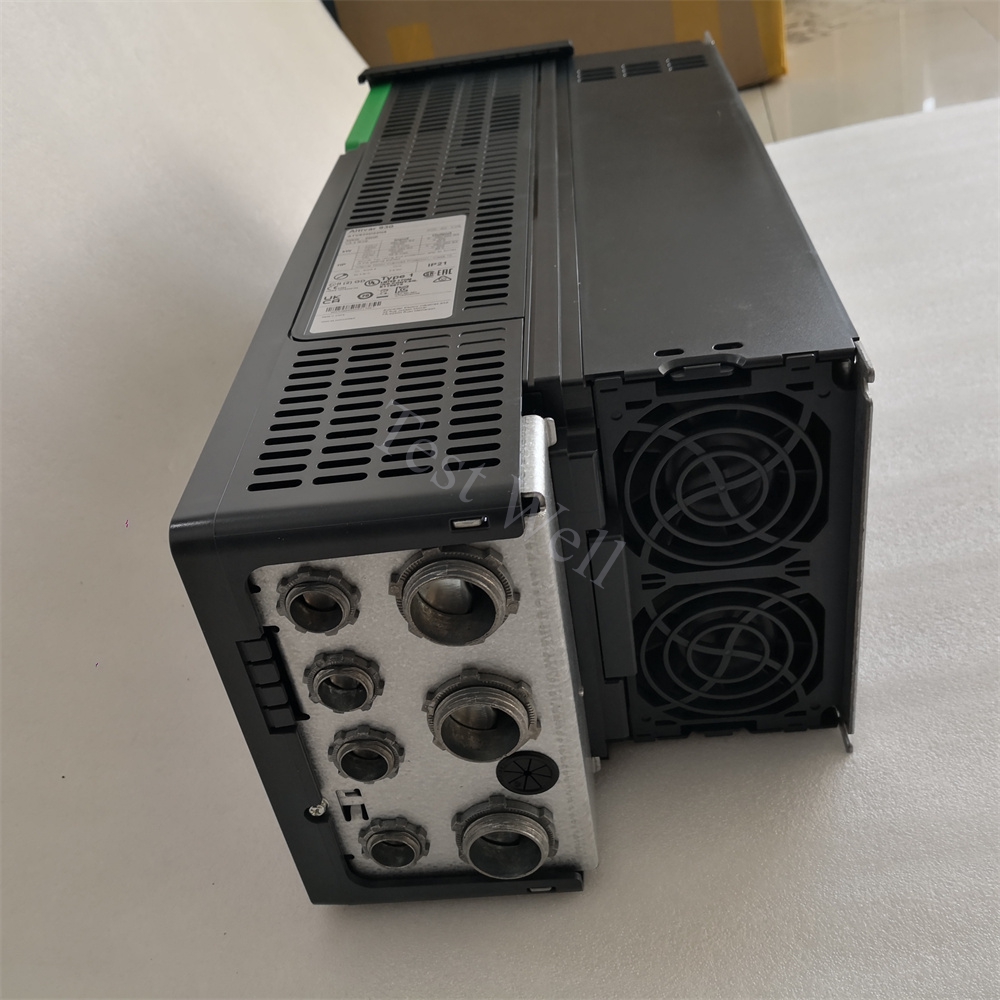
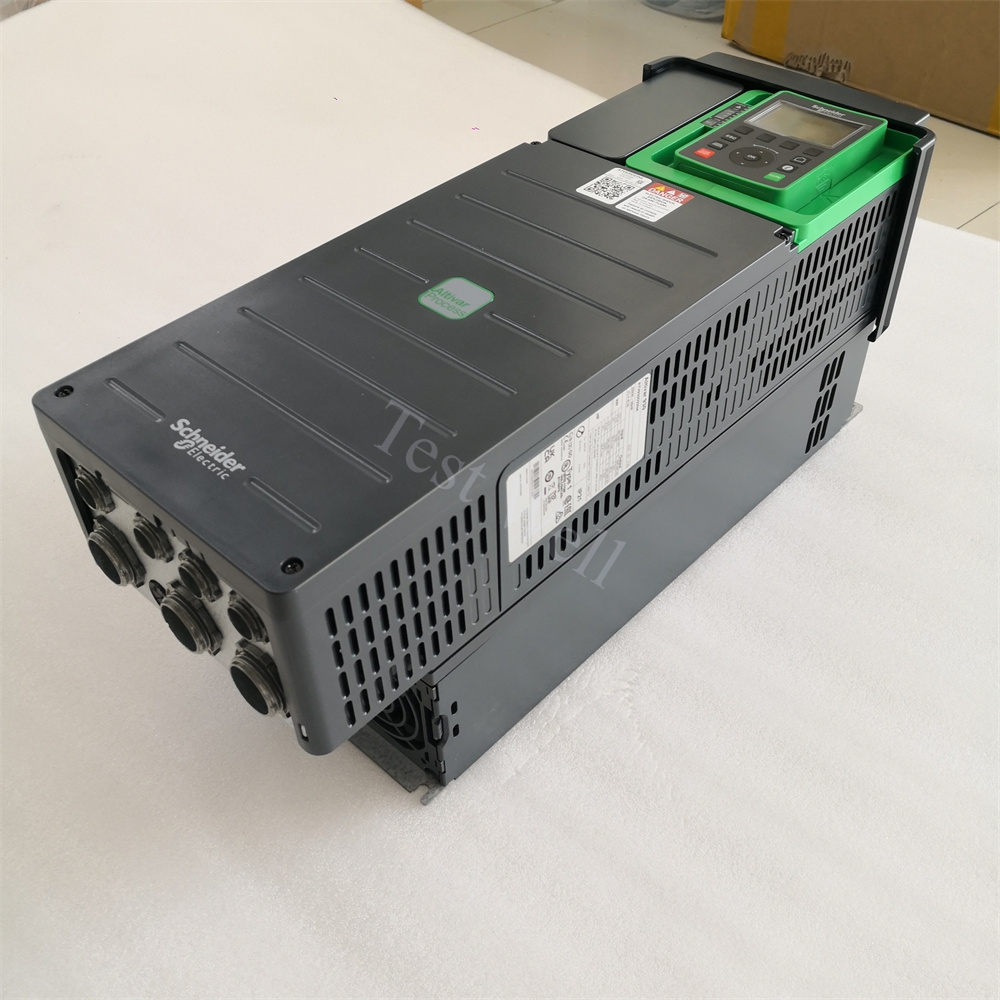
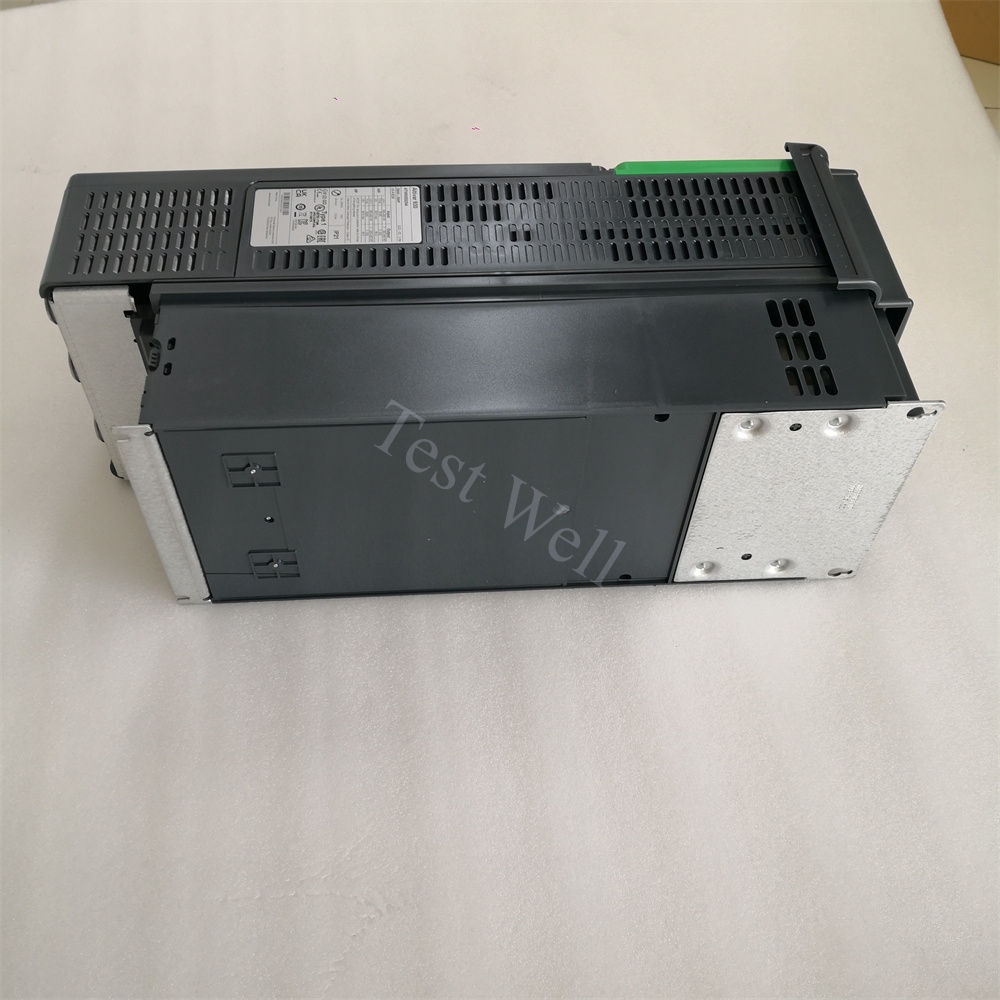
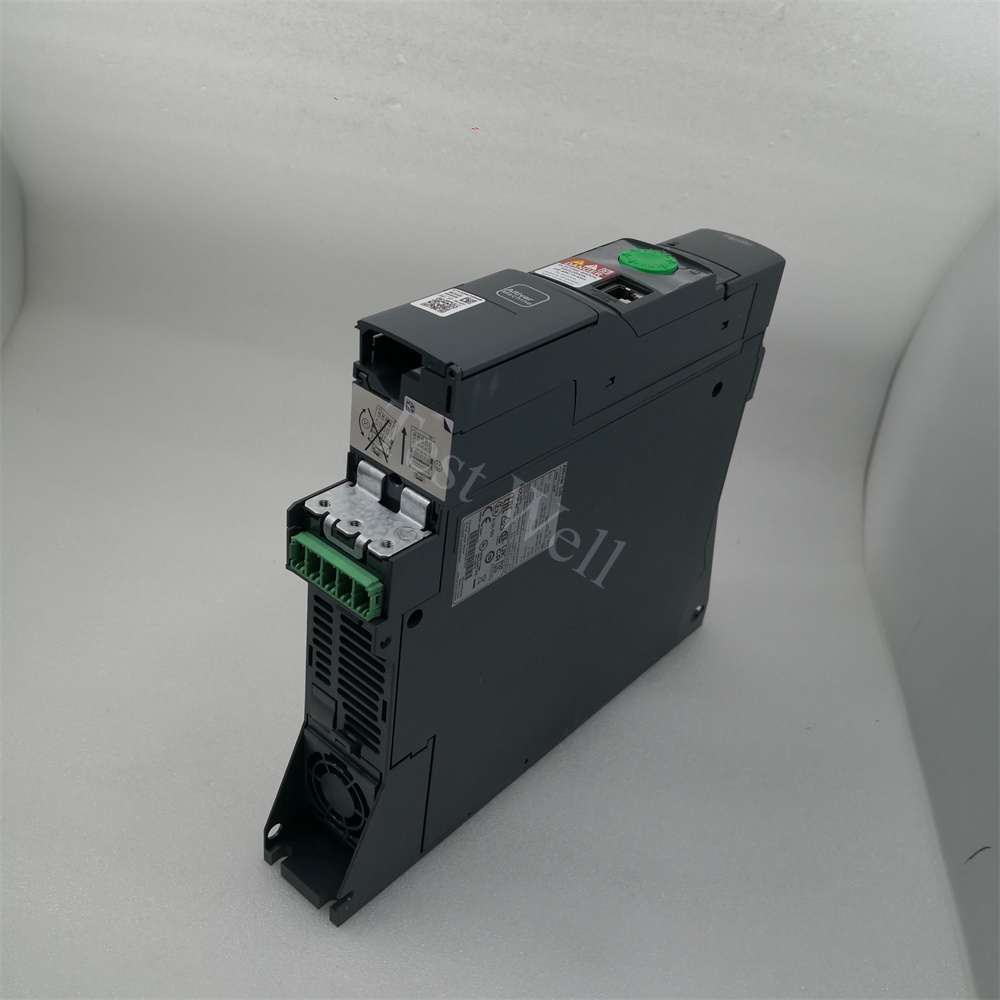
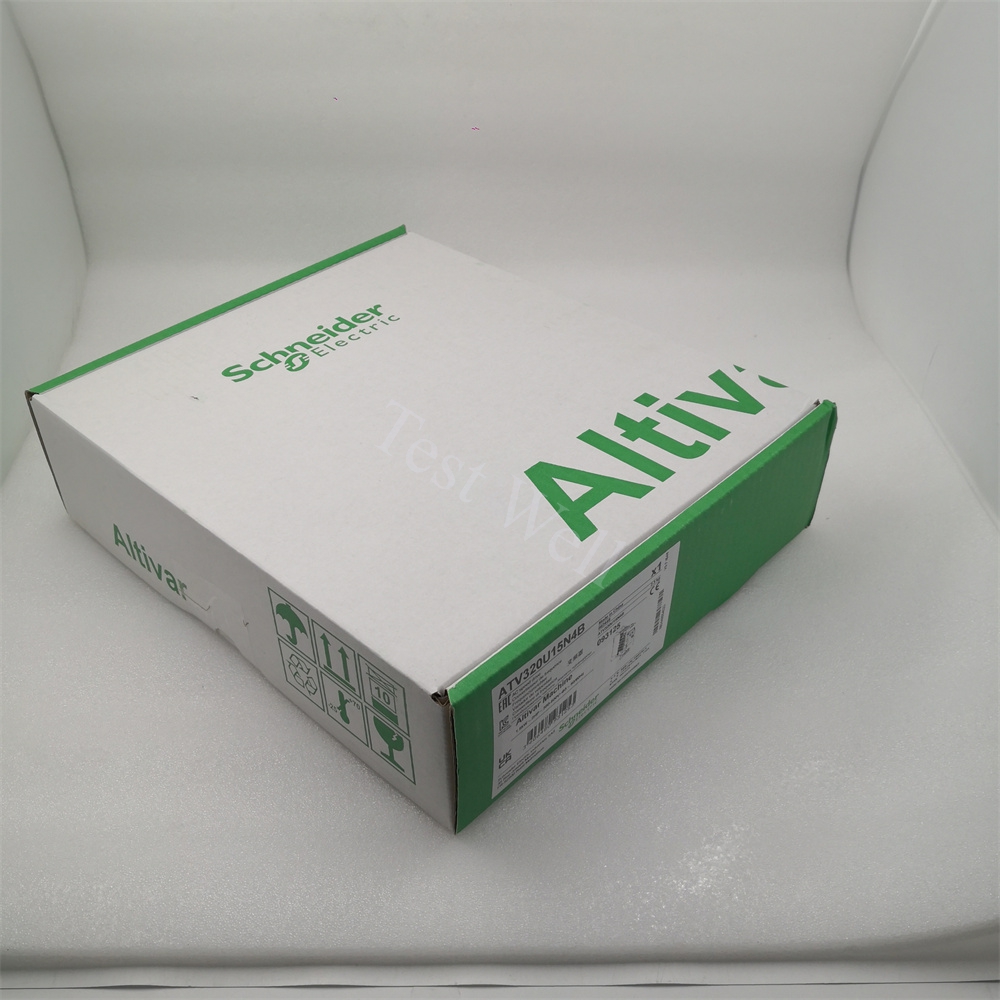
Schneider Altivar Inverter Common Fault Codes, Step-by-Step Repair & Full Preventive Maintenance Guide
Schneider Altivar variable frequency drives (ATV12 compact, ATV312 general-purpose, ATV320 modular, ATV610 HVAC dedicated, ATV71 heavy-duty high-performance series) are widely adopted worldwide for speed regulation of fans, pumps, conveyor systems, packaging machinery, CNC equipment, cranes and process control production lines. Designed with advanced vector control technology, robust EMC shielding and multi-layer hardware protection, Schneider VFDs deliver stable torque output, outstanding energy-saving performance and long service life in dusty, humid and heavy-duty industrial workshop environments.
Even premium Schneider Altivar inverters frequently trigger protective trip faults caused by dust-clogged heat sinks, aging cooling fans, degraded DC bus smoothing capacitors, mechanical load jamming, unstable industrial grid power, poor wiring shielding and ignored regular maintenance. More than 75% of unplanned production downtime originates from misjudging overcurrent, overvoltage, overtemperature, ground leakage and Modbus communication faults, rather than inherent manufacturing hardware defects. This comprehensive SEO technical guide covers Altivar inverter system composition, fast on-site symptom diagnosis, mainstream official fault code troubleshooting, standardized professional repair workflows and tiered full-cycle preventive maintenance plans, helping global maintenance technicians rapidly locate and resolve drive failures.
Please check our Schneider Full-Series Altivar Inverters.
1. Core System Structure & Fault Classification of Schneider Altivar Drives
A complete Schneider Altivar inverter system consists of four core functional modules to regulate three-phase induction and permanent magnet synchronous motors:
- Input Rectifier Stage: Converts AC mains to stable DC voltage stored on DC bus capacitors; prone to USF undervoltage, PHF input phase loss and OSF overvoltage faults caused by grid fluctuation or loose power terminals施耐德电气.
- DC Bus Capacitor Bank: Balances voltage ripple and absorbs motor regenerative braking energy; bulging, leaking capacitors trigger recurring OSF overvoltage faults after 5–8 years of continuous operation电子发烧友....
- IGBT Inverter Power Stage: Converts DC power to adjustable PWM AC for motor speed and torque control; short circuits and heavy overloads burn IGBT chips, triggering OCF overcurrent and SCF short-circuit ground faultserrorcodef....
- Control & Cooling System: Mainboard logic circuit handles parameter configuration, Modbus RTU/TCP communication and protective signal detection; cooling fans and aluminum heat sinks prevent IGBT overheating and OHF overtemperature trips.
All Schneider Altivar industrial faults fall into four clear categories for targeted troubleshooting:
- Electrical Power & IGBT Faults: OCF overcurrent, SCF ground/short circuit, PHF input phase loss, OSF DC overvoltage, USF DC undervoltage
- Thermal Cooling Faults: OHF heatsink overtemperature, tJF IGBT overtemp, stuck cooling fan, blocked ventilation and high ambient temperature alarms
- Motor & Mechanical Load Faults: OLF motor overload, OPF output phase loss, motor stall, mismatched motor nameplate parameters, failed auto-tuning
- Communication & System Faults: Modbus communication timeout, EEF EEPROM memory error, NLP DC bus low voltage status, external interlock trip, EMI signal interference
2. Fast Preliminary Fault Diagnosis via Operating Symptoms & Panel Fault Codes
All Schneider Altivar ATV series inverters display standardized three-letter fault codes on the front digital display once protective shutdown activates. Technicians can classify fault sources instantly before disassembly and testing:
Typical Schneider Altivar Inverter Failure Manifestations
- Immediate trip on power-up, panel shows OCF / SCF → Motor cable short circuit, ground leakage or damaged internal IGBT module
- Alarm triggers during machine deceleration, OSF overvoltage displayed → Excessive regenerative energy without matched braking resistor unit
- Drive casing extremely hot, continuous OHF overtemperature warning → Clogged heat sink, stuck cooling fan or ambient temperature exceeding 40°C
- Motor runs slowly with heavy vibration, frequent OLF overload trips → Mechanical load blockage or incorrect motor rated current ItH parameters
- No fixed fault code but unstable motor speed, random stalling → Poor cable shielding, electromagnetic interference or aged DC bus capacitors
- HMI/PLC offline, Modbus communication loss → Damaged communication cable, mismatched baud rate or conflicting slave station addresses
3. Most Common Schneider Altivar ATV Inverter Fault Codes & Step-by-Step Repair Solutions
Combined with official Schneider Electric operation manuals and high-frequency on-site workshop failures, we sort core error codes, root causes and operable repair steps for ATV12, ATV312, ATV320, ATV610 and ATV71 drive series.
3.1 OCF Overcurrent Fault (Most Frequent Industrial Trip Fault)
Fault Manifestations: Drive trips instantly during startup, acceleration or constant-speed operation; output current exceeds 180% of rated drive threshold电子发烧友... Root Causes:
- U/V/W motor output cable phase-to-phase short circuit or insulation breakdown to ground
- Motor winding internal short circuit or locked rotor mechanical jam
- Overly short acceleration ramp parameter (ACC)
- Damaged internal IGBT power modules or current detection sensors Repair Steps:
- Execute full lockout-tagout (LOTO), cut main AC power and wait minimum 10 minutes for DC bus capacitors to fully discharge to avoid electric shock hazards
- Disconnect all U/V/W motor cables and perform no-load power-on test; if OCF fault disappears, the defect belongs to motor or output wiring
- Test motor winding insulation with a 500V megohmmeter; replace motors with insulation resistance below 1MΩ
- Extend acceleration ACC ramp time via the digital HMI panel or EcoStruxure software
- Inspect main circuit board for burn discoloration; replace original Schneider IGBT modules if hardware damage is confirmed
- Separate power cables from signal control wires and install ferrite magnetic rings to reduce transient current interferenceerrorcodef...
3.2 OSF DC Link Overvoltage Fault
Fault Manifestations: Alarm activates during deceleration, braking or inertial load operation; DC bus voltage exceeds safety threshold (800VDC for 400V-class drives)电子发烧友... Root Causes:
- Fast deceleration generates massive regenerative energy without matched braking resistor
- Unstable high industrial grid input voltage surges
- Heavy inertial loads (conveyors, cranes, centrifugal fans) feeding excess voltage back to the DC bus
- Aging DC bus capacitors with reduced energy absorption capacity Repair Steps:
- Increase deceleration DEC ramp time parameters to slow regenerative energy feedback speed
- Install genuine Schneider matched braking resistor at P/+ and DB terminals for high-inertia equipment
- Add input line reactors or voltage stabilizers for factories with severe mains fluctuation
- Power off and inspect DC bus capacitor banks for bulging casing, liquid leakage or discoloration; replace aged capacitor sets completely
- Reduce frequent cyclic start-stop operation cycles to cut repeated regenerative voltage surgesApter Powe...
3.3 USF DC Link Undervoltage / PHF Input Phase Loss
Fault Manifestations: Drive fails to start or randomly shuts down mid-operation; DC bus voltage drops below detection limit, NLP status displayed on screen施耐德电气 Root Causes:
- Three-phase input power phase loss, loose L1/L2/L3 input terminals or oxidized wiring lugs
- Blown input main fuse or damaged rectifier bridge diodes
- Severe grid voltage drop during factory peak power consumption hours Repair Steps:
- Measure three-phase input AC voltage with a multimeter to identify phase loss or low voltage phases
- Tighten all input power terminal screws with standard torque and replace corroded cable lugs
- Inspect input fuses and rectifier modules; replace blown fuses and damaged rectifier components
- Avoid sharing the same power transformer with large welding machines or heavy impulse machineryClick2elec...
3.4 SCF Short Circuit / Ground Leakage Fault (SCF1/SCF3/SCF4)
Fault Manifestations: Drive trips immediately after connecting motor output cables; excessive ground leakage current detected, internal IGBT short-circuit protection triggeredRabwell PL... Root Causes:
- Motor power cable insulation worn through and touching metal cabinet ground
- Motor winding internal ground short circuit
- Oil mist, metal dust and cutting fluid corroding terminal block insulation Repair Steps:
- Disconnect U/V/W output cables one phase at a time to isolate the leakage phase
- Replace cracked, oil-corrupted motor cables with double-shielded industrial power wires
- Clean motor terminal box accumulated dust and coolant residue; repair or replace grounded faulty motors
- Add thick insulation sleeves to cable sections passing through drag chains to prevent abrasion damageApter Powe...
3.5 OHF Heatsink Overtemperature Fault
Fault Manifestations: Continuous overheat warning, drive automatically derates output power or full trips, tJF IGBT overtemp secondary alarm pops up Root Causes:
- Aluminum heat sink fins fully clogged with workshop metal powder and dust
- Cooling fan bearing wear, stuck rotation or complete fan failure after 50,000 operating hours
- Cabinet ventilation blocked, ambient operating temperature over 40°C without drive derating
- Long-term continuous full-load operation without sufficient heat dissipation allowance Repair Steps:
- Power off and use low-pressure dry compressed air to thoroughly clean heat sink fins, fan blades and air intake filters
- Manually spin the cooling fan blade; replace genuine Schneider cooling fan if grinding noise or jamming occurs
- Remove obstructions around the drive cabinet to maintain minimum 10cm unobstructed ventilation space on all four sides
- Reduce long-duration full-load continuous operation or upgrade to higher-frame-size Schneider Altivar inverter for heavy-duty production lines
3.6 OLF Motor Overload Fault
Fault Manifestations: Motor runs slow, overheats, and triggers overload trip after several minutes of continuous operationSchneider ... Root Causes:
- Mechanical guide rail jamming, conveyor blockage or excessive payload weight
- Mismatched motor rated thermal current ItH parameter set incorrectly
- Motor auto-tuning incomplete or failed during commissioning
- Long-term operation above 100% motor rated torque limit Repair Steps:
- Disconnect mechanical coupling and test motor no-load running to confirm load-side blockage
- Clear transmission obstructions and add high-temperature lubricating grease to bearings and guide rails
- Modify ItH motor thermal current parameter to fully match the motor nameplate rated values
- Complete full rotating motor auto-tuning via EcoStruxure software after any motor replacement
- Optimize speed and torque curve parameters to eliminate sustained heavy-load operation cycles
3.7 Modbus Communication Timeout Fault
Fault Manifestations: HMI, PLC or upper control system loses drive real-time data; slave device offline alarms pop up Root Causes:
- Damaged Modbus RTU/TCP communication cables or loose RJ45 terminal connectors
- Duplicate slave station address assigned to multiple automation devices on the same network
- Mismatched baud rate, parity check or communication protocol parameters Repair Steps:
- Inspect and replace cracked, oil-corroded Modbus communication cables
- Scan all network nodes to identify and reassign conflicting slave addresses
- Unify communication parameters between master PLC/HMI and Schneider Altivar inverter
- Reinforce cable shielding grounding to eliminate long-distance signal attenuation
Please check our Schneider Spare Parts Page.
4. Standard Professional Schneider Altivar Inverter Repair Workflow
Follow this standardized troubleshooting sequence to avoid blind disassembly, secondary hardware burnout and extended production downtime, fully complying with Schneider official safety operation specifications:
- Fault Record & Preliminary Classification: Record panel three-letter fault codes, abnormal operating symptoms and machine load conditions; separate electrical, thermal, motor load and Modbus communication fault categories
- LOTO Power-Off Visual Inspection: Cut main AC power supply and wait at least 10 minutes for capacitor discharge; visually check terminal burn marks, cable abrasion, heat sink dust buildup and cooling fan rotation status
- Parameter Backup & Software Diagnosis: Record all customized drive parameters via the HMI panel or EcoStruxure PC software; export and save full fault history logs stored inside the inverter control board
- Isolation Verification Testing: Disconnect motor output cables for no-load testing to distinguish drive hardware faults from motor/mechanical load faults; swap cooling fans and communication cables to isolate thermal and communication defects
- Targeted Parts Replacement & Parameter Recalibration: Replace aging fans, capacitor banks, IGBT modules or communication accessories with 100% genuine Schneider spare parts; re-calibrate acceleration/deceleration ramps, motor thermal protection and braking system parameters
- Full-Load Cycle Validation: Reconnect all wiring terminals securely, power on the inverter, switch to remote/local run mode, and execute complete automatic machine production cycles to confirm all fault codes and abnormal operating phenomena are fully eliminated
5. Full-Cycle Preventive Maintenance Schedule for Schneider Altivar Inverters
Scientific regular maintenance eliminates over 80% of sudden Schneider VFD faults and extends the service life of DC bus capacitors, cooling fans and IGBT power modules by more than 30%. This maintenance plan adapts to standard industrial workshop environments (0–40°C rated operating temperature, non-condensing humidity 5–95%).
5.1 Daily Operator Routine Inspection
- Check the front HMI display for active three-letter fault codes and continuous warning indicators
- Listen to cooling fan rotation sound for grinding, rattling or silent stall conditions
- Touch inverter cabinet exterior to monitor abnormal overheating during continuous production runs
- Visually inspect input power and motor output cables for oil corrosion, scratches or loose terminal lugs
- Confirm no cutting fluid, metal filings or oil mist accumulates on the inverter housing and air intake filters
5.2 Weekly Maintenance
- Wipe inverter exterior casing and air intake filter screens with dry lint-free cloth to maintain unobstructed cooling airflow
- Tighten all L1/L2/L3 input and U/V/W output terminal screws to prevent loose contact heat buildup
- Organize wiring layout to separate high-power motor cables and weak signal Modbus control wires for EMC anti-interference
- Clear debris blocking cabinet ventilation gaps around the drive to avoid heat accumulation
5.3 Quarterly Deep Maintenance
- Power down the entire automation system, blow internal heat sink, fan and circuit board dust with low-pressure dry compressed air (avoid high-pressure air that damages delicate small components)
- Visually inspect DC bus capacitor banks for bulging casing, liquid leakage or discoloration; mark aged capacitor sets for advance replacement
- Test all Modbus communication cables and shielding grounding continuity to eliminate intermittent signal loss faults
- Fully back up all inverter parameter sets and fault history logs to PC storage for quick recovery after hardware replacement
5.4 Annual Professional Overhaul
- Replace cooling fans that have operated continuously for more than 12 months to prevent mid-shift stall and OHF overtemperature faults
- Replace full DC bus capacitor banks after 5–6 years of non-stop operation to avoid recurring OSF overvoltage trip risks
- Update inverter firmware to the latest official Schneider compatible version to resolve known system software bugs
- Inspect IGBT module terminals and internal power wiring for oxidation and thermal aging
- Complete motor auto-tuning and re-calibrate all motor matching protection parameters
- Test cabinet protective grounding resistance to ensure earth ground impedance below 5 ohms
5.5 Long-Term Idle Storage Maintenance
Store unused Schneider Altivar inverters in dry, dust-free, constant-temperature warehouses without corrosive chemical gas. Power on the drive and run it at low frequency for 15–20 minutes every month to prevent circuit board moisture corrosion and DC bus capacitor capacity attenuation. Do not stack heavy objects on the inverter casing to avoid internal component deformation and heat sink bending damage.
6. Clear Distinction: Schneider Altivar Inverter Hardware Fault vs Motor Mechanical Fault vs Parameter Configuration Fault
Accurate fault classification drastically shortens maintenance labor time; compare core distinguishing characteristics below:
Schneider Altivar Inverter Hardware Fault Features
- Fixed three-letter fault codes display on the HMI panel even when the motor is fully disconnected from output terminals
- Visible physical hardware damage: Burned power terminals, bulging DC bus capacitors, stuck cooling fans, cracked IGBT modules
- Faults cannot be eliminated by adjusting acceleration/deceleration ramps or motor ItH thermal current parameters
Motor & Mechanical Load Fault Features
- No permanent fault codes appear during inverter no-load testing; alarms only trigger after connecting the motor and mechanical transmission system
- Motor generates obvious metal grinding noise, violent vibration or abnormal overheating during rotation
- All fault phenomena disappear immediately after decoupling the mechanical load from the motor shaft
Parameter Configuration Fault Features
- All inverter hardware operates normally without burn marks, overheating or physical damage
- Alarms only activate under specific speed, acceleration or heavy-load operation cycles
- Faults vanish instantly after correcting motor thermal data, deceleration ramp or braking resistance parameter settings.
Conclusion
Schneider Altivar ATV series inverters are reliable core speed regulation equipment for industrial automation production lines, yet most daily trip faults such as overcurrent, DC overvoltage, heatsink overtemperature and Modbus communication loss originate from neglected regular cleaning, loose wiring terminals, aging consumable components and mismatched parameter settings, not manufacturing quality defects. Mastering HMI panel fault code diagnosis, no-load isolation test verification methods and tiered daily/quarterly/annual maintenance routines can drastically reduce factory unplanned downtime and overall equipment maintenance labor costs.
When cooling fans, DC bus capacitor banks, IGBT power modules or Modbus communication cables reach end-of-life service cycle, installing 100% genuine Schneider matching spare parts guarantees perfect firmware compatibility, stable long-term voltage regulation and consistent precise motor torque control performance. We supply full-series original Schneider Altivar inverters, replacement cooling fan kits, capacitor assemblies, braking resistors and Modbus communication accessories, supporting fast global shipping and professional one-stop technical after-sales service for worldwide machinery manufacturers, automation integrators and plant maintenance engineering teams.