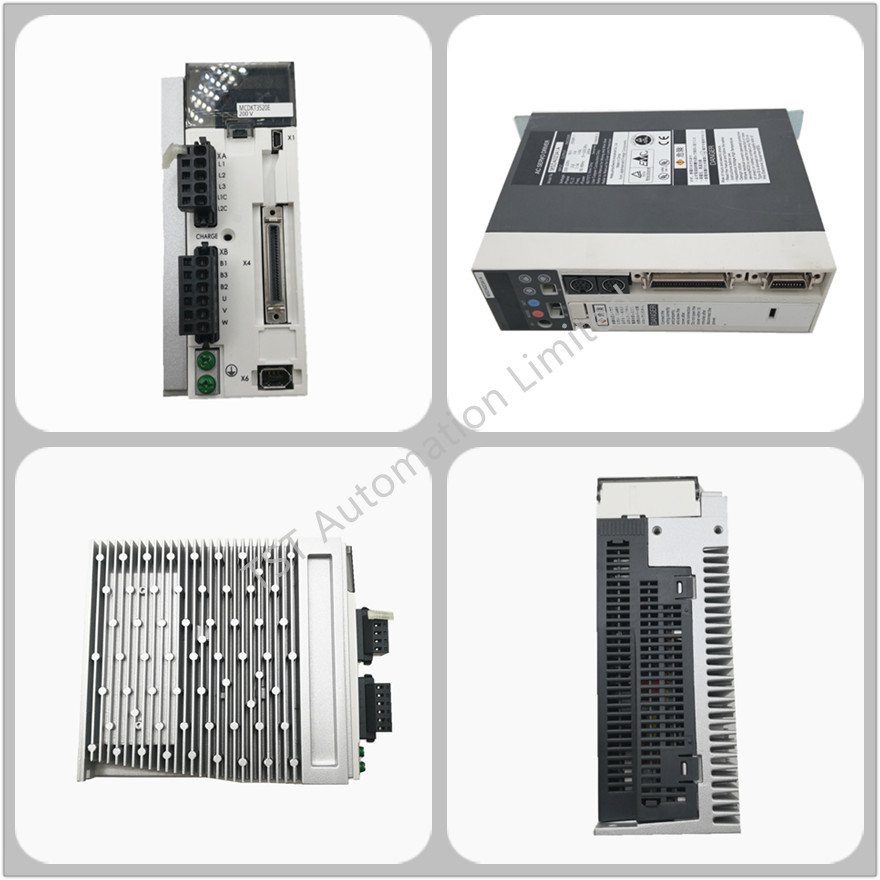
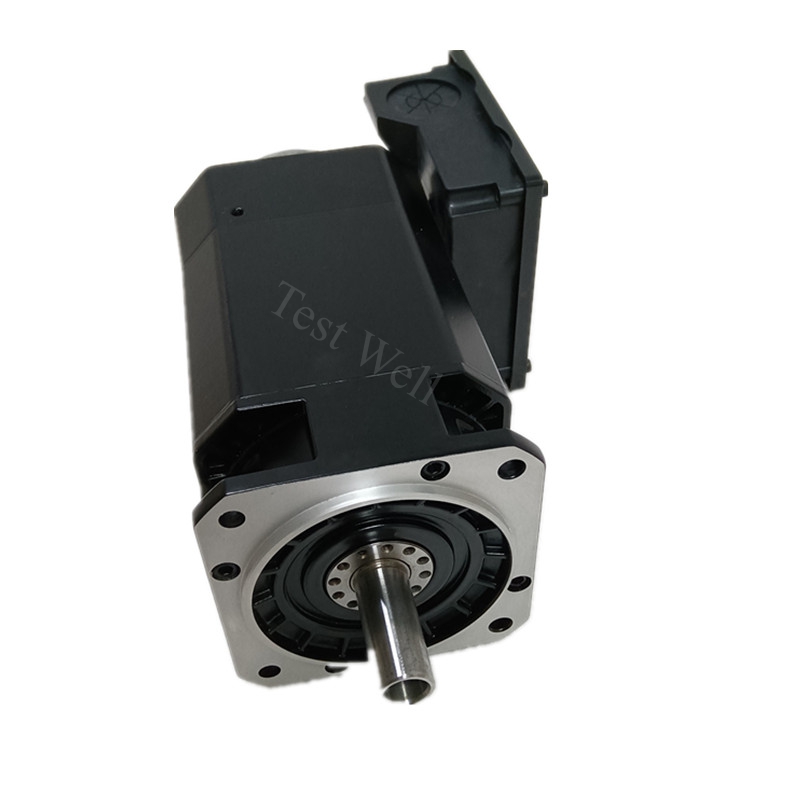
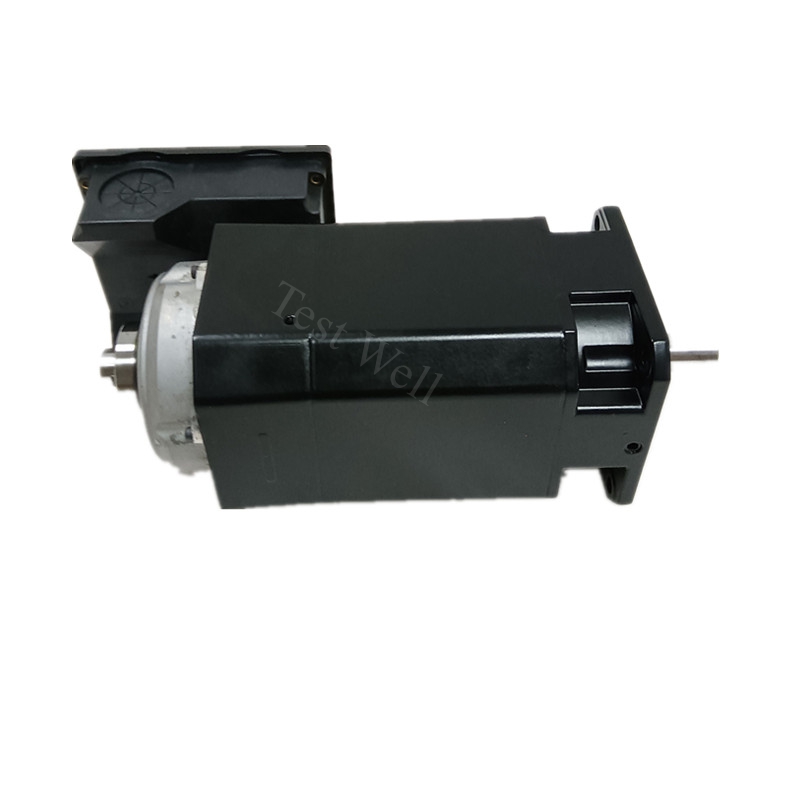
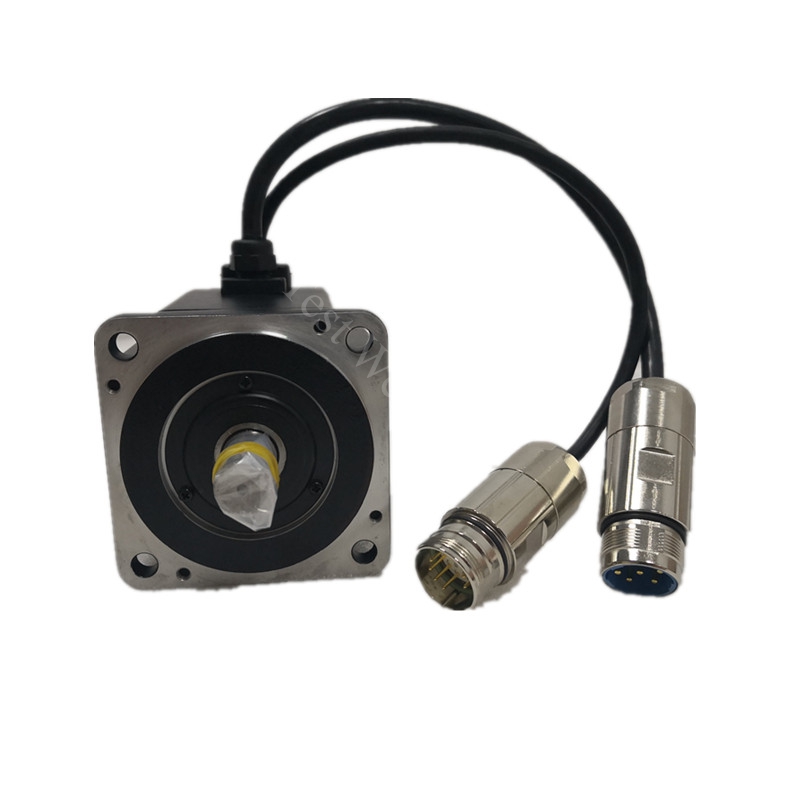
Panasonic MINAS AC servo systems, including cost-effective MINAS A4, mid-range A5, high-performance A6 servo drives paired with MSME (low inertia) and MHME (medium/high inertia) servo motors, are widely adopted in packaging machinery, robotic handling cells, CNC equipment, textile machines, and automated assembly lines worldwide. Each servo motor integrates high-resolution absolute encoders, built-in thermal protection sensors, sealed precision bearing assemblies, and IP65-rated housings, delivering stable repeatable positioning accuracy and consistent dynamic torque under dusty, humid, oil-mist factory operating conditions.
Even high-quality Panasonic MINAS servo motors regularly trigger drive protective A-series alarm codes due to clogged cooling vents, worn precision bearings, depleted absolute encoder lithium backup batteries, damaged X4 encoder hybrid cables, mechanical axis binding, sustained heavy load torque, loose terminal connectors, and neglected routine maintenance. Industry data shows over 78% of factory production downtime stems from misdiagnosing motor overload, encoder communication loss, low battery, overheating, and oscillation faults, rather than original manufacturing defects. This all-in-one SEO technical guide covers Panasonic MINAS servo closed-loop system architecture, fast on-site symptom identification, mainstream official A alarm code troubleshooting, standardized professional repair workflows, and tiered full-cycle preventive maintenance plans, empowering global plant maintenance technicians to quickly locate and resolve servo motor failures.
Please check our Panasonic Servo Motor Product Page.
A complete Panasonic MINAS closed-loop servo control system contains three core functional assemblies: servo motor mechanical body, rear-mounted absolute encoder unit, and matching MINAS servo drive amplifier.
Servo Motor Mechanical Assembly: Composed of stator windings, rotor shaft, front/rear precision bearings, shaft oil seal, built-in cooling fan, and embedded temperature sensor. This assembly generates thermal overload, abnormal vibration, grinding noise, and locked-rotor mechanical faults.
Absolute Encoder (Rear Shaft Mounted): Transmits real-time position, speed, and commutation feedback signals to the drive via the dedicated X4 encoder cable. Absolute encoders rely on external lithium backup batteries to retain machine zero origin coordinates after full power loss, triggering low-voltage and communication loss alarms once cables or encoder hardware degrade.
MINAS Servo Drive Unit: Receives PLC motion commands and encoder feedback signals to execute closed-loop control. All motor-side abnormal conditions convert to standardized A0–A9 alarm codes displayed on the drive front panel or PANATERM PC diagnostic software.
All Panasonic MINAS servo motor related industrial faults fall into four clear categories for targeted troubleshooting:
Thermal & Overload Mechanical Faults: A0 motor overload, A1 over-regeneration, blocked cooling airflow, seized cooling fan, sustained heavy payload friction load
Absolute Encoder & Battery Faults: A2 low encoder battery, A4 encoder communication disconnection, Err21 signal loss, random axis positioning drift after power cycling
Bearing & Transmission Mechanical Faults: Continuous metal grinding vibration noise, coupling concentricity offset, shaft seal cutting fluid leakage, ball screw jamming, servo oscillation A6 alarm
Electrical Wiring & System Faults: Main power undervoltage Err11, UVW power cable short circuit, loose X4 encoder connectors, EMI electromagnetic interference causing unstable position tracking
MINAS A5/A6 servo drives display standardized single-letter A-series alarm codes once protective shutdown activates. Maintenance technicians can classify fault sources instantly before disassembly without advanced testing instruments:
Typical Panasonic MINAS Servo Motor Failure Manifestations
Drive front panel shows A0 alarm, motor housing heats up rapidly during short production cycles → Sustained overload or mechanical axis binding
Machine loses zero origin position after every full power shutdown, PANATERM pops battery warning → Depleted absolute encoder backup lithium battery
Axis stalls randomly during high-speed reciprocation, drive triggers A4 encoder communication alarm → Damaged X4 encoder cable or contaminated encoder optical disk
Servo axis generates constant grinding vibration, inconsistent workpiece dimensional tolerance → Worn motor bearings or misaligned mechanical coupling
No fixed alarm code but unstable positioning accuracy, random machining offset → Poor cable shielding grounding or workshop EMI noise interference
Drive shows A6 oscillation alarm with obvious axis shaking during movement → Incorrect servo gain parameters or loose mechanical transmission
Combined with official Panasonic MINAS A5/A6 service manuals and high-frequency field workshop failure cases, we organize core alarm codes, root causes, and standardized operable repair steps for MSME and MHME servo motor lines.
3.1 A0 Servo Motor Overload Alarm (Most Frequent Servo Fault, Equivalent to Err16.0)
Fault Manifestations: MINAS drive red alarm LED illuminates, PANATERM monitor shows load factor exceeding 115% rated torque; axis automatically slows down or trips fault state after several minutes of continuous movement.
Root Causes:
Long-term operation exceeding the motor continuous torque rating due to heavy payload, tight linear guides, or overloaded conveyor/cutting equipment
Incorrect motor overload threshold parameter Pr5.12 set too low in drive configuration
Incomplete motor auto-identification during machine commissioning
Excessive servo gain values triggering oscillation and secondary overload trips
Repair Steps:
Execute full lockout-tagout (LOTO), cut total machine main power and wait minimum 15 minutes for drive internal capacitors to fully discharge before inspectionPanasonic ....
Disconnect mechanical coupling and run motor no-load rotation test; if A0 alarm disappears, troubleshoot seized ball screws, tight linear guides, or overloaded workpieces.
Clear mechanical obstructions and apply high-temperature industrial lubricating grease to bearings, ball screws, and linear guide rails.
Adjust Pr5.12 overload protection threshold to match the motor nameplate rated torque, and reduce position/speed loop gain values to eliminate vibration-induced overload.
Optimize motion profile acceleration and deceleration time parameters to reduce sustained heavy torque cycles during production runs.
If overload alarm persists under no-load conditions, inspect motor internal winding insulation with a megohmmeter and replace the servo motor if winding damage is confirmed.
3.2 A2 Absolute Encoder Low Battery & Position Data Loss Alarm.
Fault Manifestations: Drive displays A2 battery warning on every machine power-up; all axis zero origin offsets reset after full shutdown, leading to inconsistent workpiece machining dimensionsManualsLib.
Root Causes:
Absolute encoder dedicated 3.6V lithium backup battery reaches end-of-life (standard service life 12–24 months)
Loose battery holder wiring terminals inside the electrical control cabinet
Unstable 5V encoder supply voltage caused by damaged internal conductors inside the X4 encoder cable
Repair Steps:
Keep the entire automation machine powered ON during battery hot swap to prevent permanent loss of axis origin coordinate offset data.
Remove the exhausted old battery and install a genuine Panasonic matching replacement lithium battery pack.
Tighten all battery holder wiring terminals and inspect the full length of the X4 encoder cable for abrasion or open-circuit damage inside drag chains.
Complete full axis homing calibration after battery replacement, then back up all workpiece offset data and servo parameters via PANATERM software immediately.
Clear the A2 battery alarm using one of three official methods: A-CLR alarm clear input, front panel auxiliary function mode, or PANATERM battery warning clear buttonManualsLib.
Schedule quarterly battery voltage testing to avoid unplanned production stops from sudden position data loss.
3.3 A4 X4 Encoder Communication Disconnection Fault (Err21)
Fault Manifestations: MINAS drive triggers A4 alarm, servo cannot complete homing, intermittent loss of position tracking during high-speed axis travelManualsLib.
Root Causes:
Damaged X4 hybrid encoder cable from repeated drag-chain bending, cracked outer shielding, or broken internal signal conductors
Loose, oxidized metal pins on the X4 encoder connector at both the motor rear housing and drive side
Encoder optical disk contaminated with cutting fluid, metal powder, and workshop oil mist
Outdated drive firmware with known encoder communication compatibility bugs
Repair Steps:
Power down the full automation system, unplug and re-seat X4 encoder connectors on motor and drive sides; clean corroded pin terminals with isopropyl alcohol wipes.
Perform continuity testing on the X4 encoder cable with a multimeter; replace genuine Panasonic shielded X4 cables if open/short circuits are detected.
Carefully disassemble the motor rear encoder cover and wipe the optical disk surface with lint-free dry cloth to remove oil and metal particulate contamination.
Upgrade MINAS drive firmware to the latest official Panasonic compatible version to resolve built-in communication software defects.
Separate high-power UVW motor cables and low-signal X4 encoder cables with a minimum 30cm spacing to eliminate EMI noise interference.
3.4 A3 Cooling Fan Failure Alarm
Fault Manifestations: Drive front panel shows A3 fan warning; internal drive and motor heat build up rapidly, triggering secondary A0 overload trips over timeManualsLib.
Root Causes:
Servo drive cooling fan seized, worn fan bearings, or fan power wiring loose
Air intake vents clogged with metal dust and workshop debris blocking heat dissipation
Repair Steps:
Power off the servo system and wait for full component cooling; manually spin the cooling fan blade to check for jamming or grinding noise.
Clean all drive and motor cooling air channels with low-pressure dry compressed air to remove accumulated metal powder and sludge.
Replace genuine Panasonic matching cooling fan assembly if bearing wear or stall is confirmed.
Reorganize cabinet wiring layout to avoid blocking fan intake and exhaust airflow paths.
3.5 A6 Servo Oscillation & Vibration Detection Alarm
Fault Manifestations: Axis shakes violently during positioning or constant-speed movement, drive displays A6 oscillation detection alarm, machining precision deteriorates sharplyManualsLib.
Root Causes:
Overly high position/speed loop gain parameters set in servo drive
Mechanical coupling concentricity offset between motor rotor and ball screw
Loose ball screw support bearings or worn linear guide blocks
Mismatched load inertia ratio parameter Pr0.06
Repair Steps:
Decouple the motor from mechanical transmission and test no-load rotation; if vibration disappears, troubleshoot loose mechanical transmission components.
Re-calibrate coupling concentricity and tighten all ball screw and guide rail fixing bolts.
Reduce servo position loop gain Pr0.04 and speed loop gain Pr0.05 step-by-step via PANATERM until oscillation disappears.
Re-calculate and reset load inertia ratio Pr0.06 to match actual machine payload inertia.
3.6 A1 Over-Regeneration Alarm
Fault Manifestations: Drive shows A1 over-regeneration warning during deceleration or inertial load operation; DC bus voltage surges repeatedly, risking secondary overvoltage protection tripsManualsLib.
Root Causes:
Fast deceleration generating excessive regenerative energy without a matched external braking resistor
High-inertia loads (conveyors, cutting tables) feeding excess voltage back to the drive DC bus
Degraded built-in regenerative absorption circuit inside the servo drive
Repair Steps:
Increase deceleration time parameter to slow regenerative energy feedback speed during axis stop cycles.
Install a genuine Panasonic matched external braking resistor at the designated drive terminals for heavy inertial equipment.
Reduce frequent rapid start-stop production cycles to cut repeated regenerative voltage surges.
Follow this Panasonic official safety standardized troubleshooting sequence to avoid blind disassembly, permanent encoder position data loss, and secondary hardware damage:
Fault Record & Preliminary Classification: Log drive A-series alarm codes, abnormal noise/vibration, motor housing surface temperature, and fault trigger operating conditions; separate thermal overload, encoder battery, mechanical bearing, and wiring communication fault categories.
Full LOTO Power-Off Visual Inspection: Cut total machine AC power, wait minimum 15 minutes for drive DC bus capacitors to fully discharge; inspect UVW power cables, X4 encoder connectors, cooling fan integrity, shaft seal oil leakage, and dust buildup on motor rear encoder housingmediap.ind....
PANATERM Software Diagnostic Capture: Launch PANATERM PC software to read drive fault history logs, real-time motor load factor, encoder battery voltage, and current waveform data; fully back up all PLC motion programs, workpiece offsets, and servo drive parameter files before hardware disassembly.
Isolation Cross-Test Verification: Decouple mechanical transmission to run motor no-load and separate mechanical load faults from motor body defects; swap confirmed intact X4 encoder cables and encoder batteries to isolate wiring and power supply failures.
Targeted Parts Replacement & Calibration: Replace expired batteries, damaged X4 encoder cables, worn bearings, or cooling fans with 100% genuine Panasonic spare parts; re-calibrate motor auto-identification, servo loop gains, and full axis zero origin positions post-repair.
Full Production Cycle Validation: Reconnect all wiring securely, restore machine power, complete full axis homing, and run continuous automatic production cycles to confirm all alarm codes, vibration, and positioning drift anomalies are fully eliminated.
Scientific regular maintenance eliminates over 78% of sudden Panasonic MINAS servo drive A-series alarms and extends bearing, encoder, cooling fan, and X4 cable service life by more than 35%. This schedule complies with Panasonic factory environmental specifications (0–40°C rated ambient temperature, non-condensing humidity 5–95%).
5.1 Daily Operator Routine Inspection
Check drive front panel and PANATERM online screen for active A-series servo alarms and low absolute encoder battery warning reminders.
Listen to servo motor rotation sound for abnormal grinding, rattling, or buzzing vibration noise.
Touch motor housing exterior to monitor excessive overheating during continuous production shifts.
Visually inspect UVW power and X4 encoder cables inside drag chains for scratches, oil corrosion, and fatigue bending damage.
Confirm no cutting fluid, metal filings, or oil mist accumulates on motor cooling vents and rear encoder housing.
5.2 Weekly Maintenance
Wipe motor outer casing, encoder rear cover, and cooling air filters with dry lint-free cloth to maintain unobstructed cooling airflow.
Tighten all UVW power terminal screws and X4 encoder connector locking clamps to eliminate vibration-induced loose contact heat buildup.
Reorganize drag chain wiring layout to separate high-power motor cables and low-signal X4 encoder cables for EMC anti-interference performance.
Clear debris blocking motor intake and exhaust cooling ventilation gaps.
5.3 Quarterly Deep Maintenance
Power down the full automation system, blow motor cooling channels and encoder housing dust with low-pressure dry compressed air (avoid high-pressure air damaging delicate encoder optical components).
Test absolute encoder backup battery voltage with a multimeter; pre-schedule replacement for low-voltage battery packs.
Inspect motor shaft oil seals for coolant leakage; replace aged seals to prevent internal component corrosion.
Fully back up all PANATERM servo motion parameters, workpiece offsets, and fault history logs to external PC storage.
Verify cabinet protective grounding continuity to maintain earth ground impedance below 5 ohms for EMI noise suppression.
5.4 Annual Professional Complete Overhaul
Uniformly replace absolute encoder lithium backup batteries every 12–24 months to prevent unplanned position data loss.
Disassemble motor front/rear end caps, inspect bearing wear; install genuine bearing overhaul kits after 20,000+ operating hours.
Replace flexible X4 encoder drag-chain cables prone to repeated bending fatigue failure.
Thoroughly clean encoder optical disk surfaces of oil sludge and metal particulate contamination.
Update MINAS drive firmware to the latest Panasonic official compatible versions to resolve known system software bugs.
Complete full motor stationary and rotating auto-identification, re-calibrate all servo gain and overload protection parameters.
Relubricate motor bearings per Panasonic published service interval charts based on motor RPM and workshop environment severity.
5.5 Long-Term Idle Storage Maintenance
Store unused Panasonic MINAS MSME/MHME servo motors in dry, dust-free, constant-temperature warehouses free of corrosive coolant vapor. Power on the matching MINAS drive system and run each motor at low speed for 20 minutes every month to prevent encoder battery self-discharge and circuit board moisture corrosion. Do not stack heavy objects on the motor rear encoder housing to avoid optical disk deformation and permanent feedback damage.
Accurate fault classification drastically cuts maintenance labor downtime; compare core distinguishing characteristics below:
Panasonic MINAS Servo Motor Hardware Fault Features
Fixed A-series alarm codes display on the drive panel even after fully disconnecting mechanical coupling from the motor shaft.
Visible physical hardware damage: worn bearings, leaking shaft seals, cracked X4 encoder cables, seized cooling fans, contaminated encoder optical disks.
Faults cannot be eliminated by adjusting motion acceleration/deceleration, motor torque limit, or servo gain parameters in PANATERM.
Mechanical Axis Load Fault Features
No persistent drive alarm codes appear during motor no-load testing; A-series trip alarms only activate after reconnecting ball screws, couplings, and production payloads.
Obvious mechanical binding, tight linear guides, or excessive workpiece weight creates sustained motor overload and overheating.
Abnormal vibration and grinding noise disappear instantly after decoupling the motor from the transmission mechanism.
Servo Parameter Configuration Fault Features
Motor hardware operates normally without overheating, noise, or visible physical damage.
Alarms only trigger under specific production cycle speed, feed rate, or heavy payload operating conditions.
Faults vanish immediately after correcting motor overload threshold Pr5.12, inertia ratio Pr0.06, or servo loop gain parameters.
Conclusion
Panasonic MINAS A5/A6 MSME/MHME servo motors are high-reliability core motion components for industrial automation production lines, yet most daily drive trip faults such as motor overload, encoder communication loss, low battery, overheating, and oscillation originate from neglected cooling cleaning, expired consumable spare parts, loose wiring terminals, and mismatched servo configuration parameters — not manufacturing quality defects. Mastering drive A-series alarm code diagnosis, no-load isolation cross-test methods, and tiered daily/quarterly/annual maintenance schedules can drastically reduce factory unplanned production downtime and overall equipment maintenance labor costs.