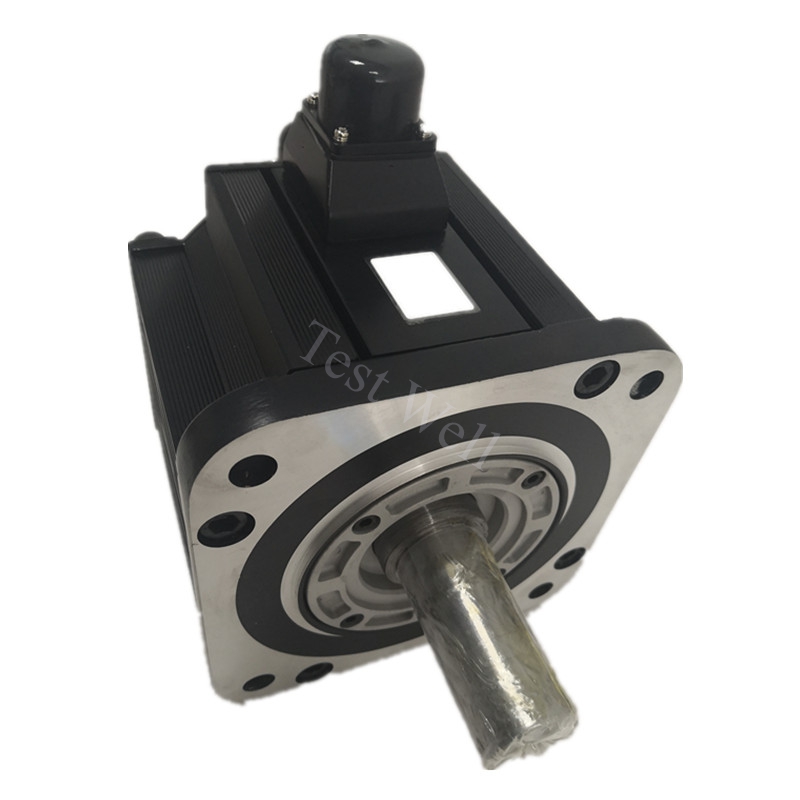
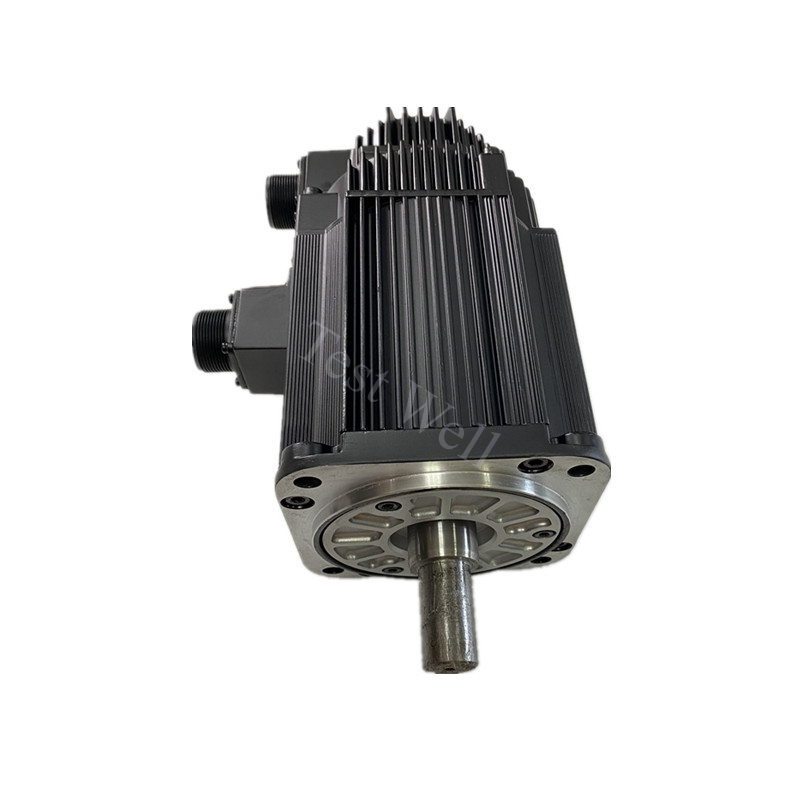
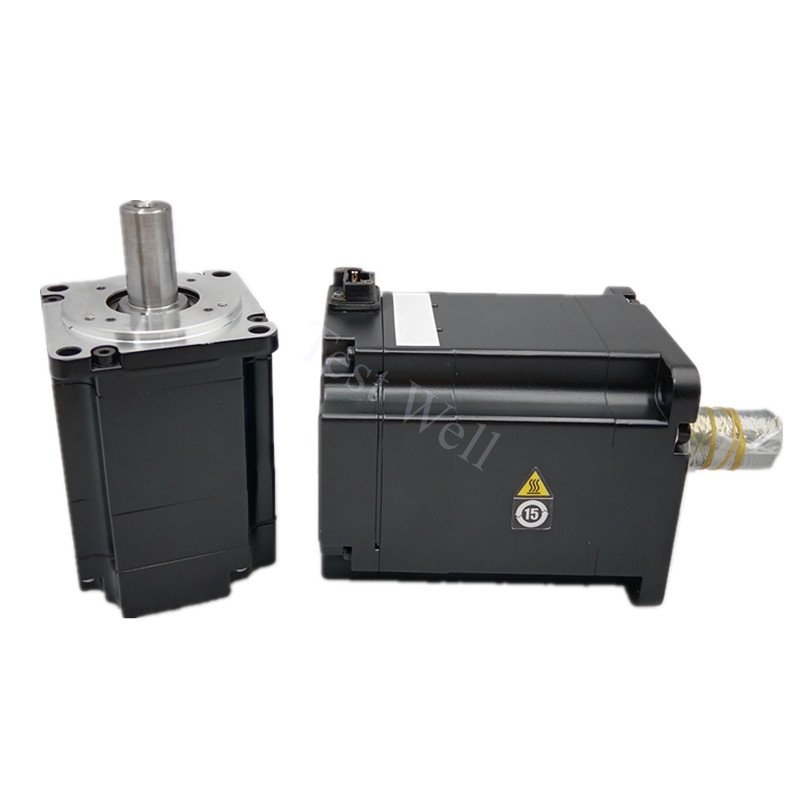
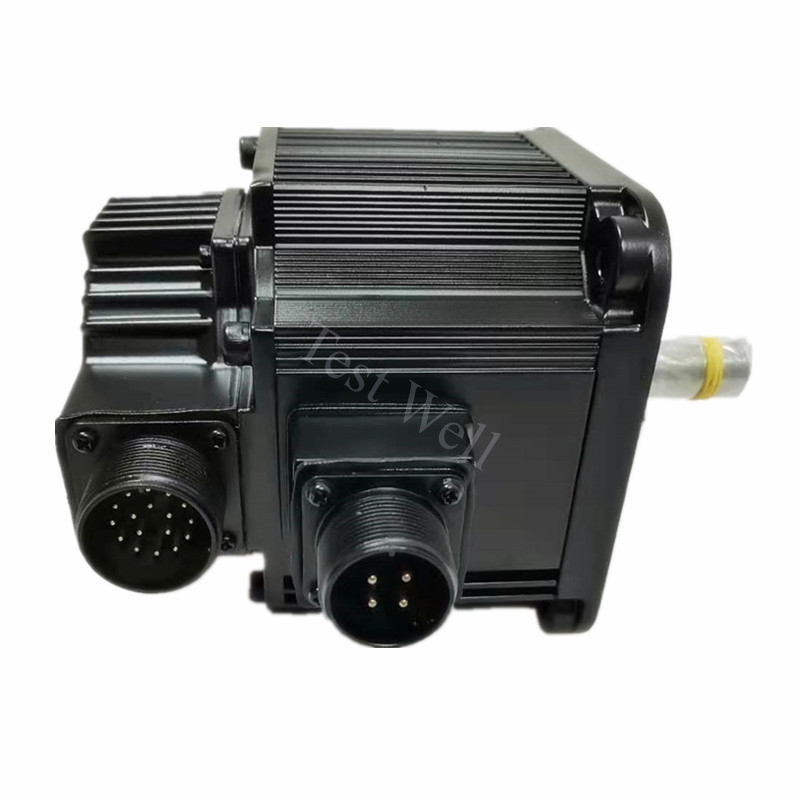
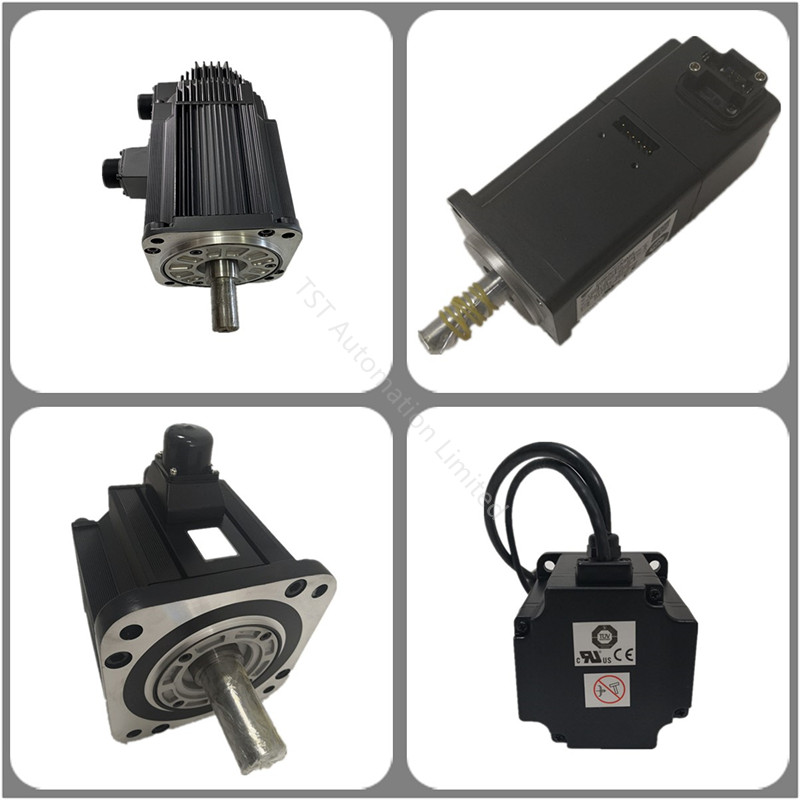
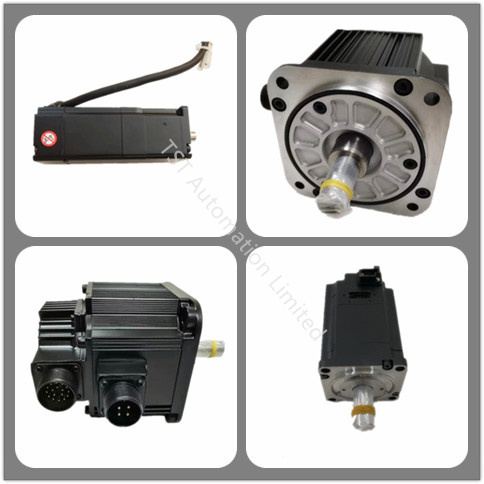
Yaskawa Servo Motor Repair & Maintenance Guide:Troubleshooting, Common Alarms
Yaskawa servo motors are widely adopted in CNC machine tools, automated production lines, robotics, and precision industrial equipment worldwide, renowned for their high precision, stable operation, and durable performance. As the core power and positioning component of industrial automation systems, Yaskawa servo motors directly determine equipment processing accuracy and operational efficiency.
In long-term high-load industrial operation, Yaskawa servo motors inevitably encounter positioning deviations, abnormal noise, overload shutdowns, and system alarm failures. Most equipment operators and maintenance personnel often struggle to distinguish mechanical faults, electrical faults, and encoder faults, leading to misjudgment, delayed repairs, and unnecessary replacement costs. This comprehensive guide covers Yaskawa servo motor fault identification, common alarm code troubleshooting, professional repair methods, and standardized daily maintenance, helping global users quickly resolve faults and reduce equipment downtime.
To achieve accurate fault diagnosis, it is essential to clarify the matching working relationship between the Yaskawa servo motor, encoder, and servo pack drive. The three core components work synchronously to complete precise motion control.
The Yaskawa servo motor undertakes mechanical power output and rotational operation. The matched built-in encoder acts as the precision feedback sensor, recording real-time motor speed, rotation angle, and position data, and feeding signals back to the Yaskawa servo pack drive. The drive analyzes the feedback data and adjusts motor operation parameters in real time to ensure high-precision positioning and stable speed operation.
Key Fault Correlation Rules:
[Internal Link Suggestion: Insert link to Original Yaskawa Servo Motor Product Page here]
When your Yaskawa servo system triggers alarms or operates abnormally, follow these step-by-step diagnosis methods to quickly locate the fault source and avoid misrepair:
Step 1: Observe Abnormal Operation Phenomena
Summarize typical fault manifestations for quick preliminary judgment: Motor jitter, irregular rotation, and processing size deviation belong to signal or encoder faults; abnormal noise, high temperature, and stuck rotation belong to mechanical motor faults; sudden power-off shutdown and system pop-up error codes belong to drive or electrical faults.
Step 2: Read Servo Alarm Codes (Core Judgment Basis)
Yaskawa servo systems have standardized alarm codes corresponding to specific faults, which are the most accurate basis for troubleshooting. The common mainstream alarm codes and fault causes are sorted as follows:
Step 3: Manual Inspection & Verification
First, check the power supply and wiring: Confirm stable input voltage, no loose, aging, or short-circuited power lines, encoder lines, and signal lines. Second, inspect the motor operating environment: Check for dust, oil pollution, and electromagnetic interference. Finally, perform reset testing: Power off and restart the system, restore factory parameters appropriately, and observe whether the alarm recurs to eliminate accidental system errors.
[Internal Link Suggestion: Insert link to Yaskawa Servo Fault Spare Parts Page here]
Most Yaskawa servo motor faults are caused by long-term industrial operation environment erosion, improper operation, and lack of daily maintenance, rather than product quality problems. The main failure causes are summarized into five categories:
Aiming at the most frequent Yaskawa servo motor faults on site, we provide targeted, operable repair solutions suitable for industrial workshop maintenance:
4.1 Quick Repair for Electrical & Parameter Faults
For A.020/A.040 parameter faults: Back up the original parameters first, restore the servo drive to factory settings, reconfigure matching operating parameters according to equipment requirements, and restart the system for calibration. For A.030 main circuit faults: Detect input power voltage and check main circuit wiring and fuse status, replace damaged wires and accessories, and confirm stable power supply before restarting.
4.2 Troubleshooting for Overload & Regenerative Faults
For A.71/A.72 load abnormalities and A.300/A.320 regenerative faults: Check whether the mechanical load is stuck or overloaded, adjust the motor operating speed and acceleration/deceleration parameters, extend the deceleration time, and inspect and replace aging braking resistance to eliminate regenerative energy accumulation faults.
4.3 Encoder & Positioning Fault Repair
For A.80/A.81 encoder faults: Replace the encoder backup battery with the system powered on to avoid absolute position data loss, clean encoder surface dust and oil stains, check signal line shielding and grounding, and perform zero calibration after eliminating interference. If the fault persists, it indicates encoder internal component damage, and replacement is recommended.
4.4 Handling of Mechanical Faults
For motor abnormal noise and jitter caused by bearing wear: Disassemble the motor, replace aging bearings, refill high-temperature lubricating grease, and calibrate the motor shaft concentricity. For stuck rotor and mechanical jamming faults: Clean internal foreign matter, repair damaged mechanical structures, and test no-load operation after maintenance.
[Internal Link Suggestion: Insert link to Wholesale Original Yaskawa Encoder & Accessories Page here]
Scientific daily maintenance can effectively reduce 80% of common faults, extend the service life of Yaskawa servo motors, and ensure long-term stable and high-precision operation of equipment. The standardized maintenance specifications are as follows:
5.1 Daily Routine Inspection
5.2 Regular Periodic Maintenance (Monthly/Quarterly)
5.3 Long-Term Storage & Idle Maintenance
For idle Yaskawa servo motors, place them in a dry, dust-free, and corrosion-free environment. Power on the equipment and run it for 10-20 minutes every half month to avoid internal component moisture and parameter loss, ensuring the motor can be put into operation normally at any time.
Accurate fault classification is the premise of efficient maintenance. The intuitive distinction criteria for three types of common faults are summarized below:
Encoder Fault Features
Servo Motor Mechanical Fault Features
Servo Drive Electrical Fault Features